Beyond awareness: Lesotho urged to turn deaf rights into real action
MOSA MAOENG
MASERU – As Deaf Awareness Month draws global attention to the rights and experiences of deaf people, a leading advocate in Lesotho is calling on the government to move beyond symbolic recognition and take concrete steps to ensure meaningful inclusion.
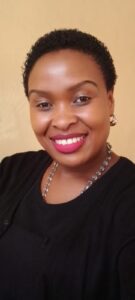
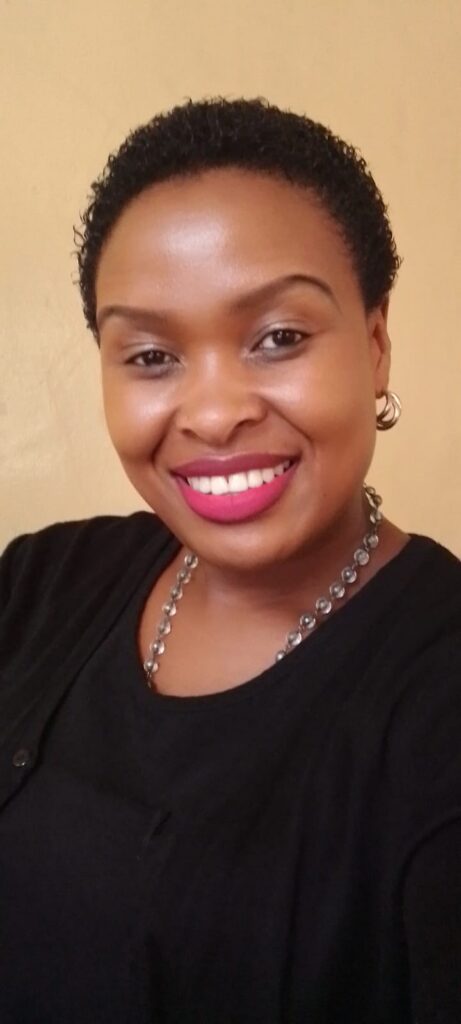
‘Mamaliela Qhalehang, founder and coordinator of the LSL Inclusive Education Initiative (LSL IEI), says awareness campaigns must be accompanied by practical action to dismantle the barriers deaf people continue to face in their daily lives.
A qualified teacher and Sign Language Interpreter, Qhalehang argues that true deaf awareness is about understanding deaf people, their language, culture and rights — while actively challenging the misconceptions that prevent them from participating equally in society.
This year’s theme, “Declaring deaf people’s human rights,” provides an opportunity to reflect on persistent challenges in education, healthcare, employment and public services.
For Qhalehang, the most significant obstacle is the gap between recognising rights on paper and putting them into practice. “Deaf rights must be protected throughout the year — not only during awareness month,” she says.
Lesotho has made notable legislative progress in recent years. The Persons with Disability Equity Act of 2021 defines discrimination on the basis of disability and introduces provisions for inclusive education, personal assistance and reasonable accommodation.
The Act explicitly recognises Sign Language as a means of communication and obliges public events, education and broadcasts to be accessible.
The National Disability Mainstreaming Plan 2021-2025 provides a strategic framework to guide the design, implementation and evaluation of disability-specific policies. The Inclusive Education Policy, launched in 2019, defines inclusive education and contains actions to combat attitudinal barriers in schools.
Lesotho also ratified the UN Convention on the Rights of Persons with Disabilities (CRPD) in 2008, further cementing its commitment to international standards. The establishment of the Persons with Disability Advisory Council and an inter-ministerial mechanism for reporting and follow-up demonstrates institutional efforts to translate commitments into governance.
Yet, as Qhalehang emphasises, implementation remains the critical challenge. The UN Committee on the Rights of Persons with Disabilities, in its 2026 concluding observations on Lesotho’s initial report, noted with concern that legislation and policies still rely on medical and welfare approaches, and that the Persons with Disabilities Equity Act lacks provisions concerning private actors.
The committee also highlighted the lack of specific budgetary allocations for the realisation of disability rights.
The challenges are even more acute for deaf people living in rural areas, where services, interpreters and specialised education are not equally available.
“Rural deaf people can face greater barriers because services, interpreters and specialised education are not equally available,” Qhalehang says, stressing that inclusion must reach every district, not only urban centres.
She also points to the shortage of accessible learning materials as an area requiring urgent attention. There is a pressing need for more locally relevant Lesotho Sign Language (LSL) resources, teaching materials, digital resources and trained educators so that deaf learners can participate effectively in education.
This aligns with broader concerns raised in research on inclusive education in Lesotho, where gaps in policy guidance on teacher preparedness and infrastructural limitations in rural schools have been identified as significant obstacles.
Through the LSL Inclusive Education Initiative, Qhalehang promotes sign language and disability awareness, particularly among hearing children. Her approach is rooted in the belief that children should learn inclusion before exclusion.
“When children learn to communicate across differences, they develop empathy, confidence, and a lasting understanding that belonging should never depend on who can hear,” she says. By helping children understand communication across differences, she believes communities can become more accepting and inclusive of deaf people.
Qhalehang is clear that responsibility for inclusion does not rest with one organisation or community alone. Government must provide accessible services, while society must recognise deaf people as equal participants and address the stigma and misconceptions that persist.
She identifies the gap between recognised rights and their implementation as a major challenge, calling on authorities to move from recognition on paper to the practical use of sign language in schools, institutions and public services.
The shortage of qualified sign-language interpreters, accessible information and inclusive education — combined with the meaningful involvement of deaf people in decisions that affect them — remains a pressing national concern.
The advocacy group Lesotho Sign Language Agency has echoed these calls, urging NGOs, ministries and agencies to prioritise sign language interpreters and treat accessibility as a legal obligation and moral duty. The law is clear, yet interpreters are often overlooked until the last minute — or excluded altogether.
As Deaf Awareness Month draws to a close, Qhalehang says the conversation should not end when September does. She is calling for a shift from awareness to measurable action, including accessible education, qualified interpreters, accessible public services, appropriate learning materials and meaningful participation of deaf people in decisions affecting their lives.
“Deaf rights must be protected throughout the year — not only during awareness month,” she says.
For Qhalehang, Deaf Awareness Month is an important starting point, but lasting inclusion requires action beyond the awareness period. The goal, she says, should be a society where deaf and hearing people can communicate, learn and participate on equal terms — and where belonging is not determined by a person’s ability to hear.
As Lesotho continues its journey from legislative recognition to lived reality, the call is unmistakable: awareness is not enough. Action, sustained and measurable, is the only path to genuine inclusion.