UNFPA partnership for menstrual hygiene celebrated
MOSA MAOENG
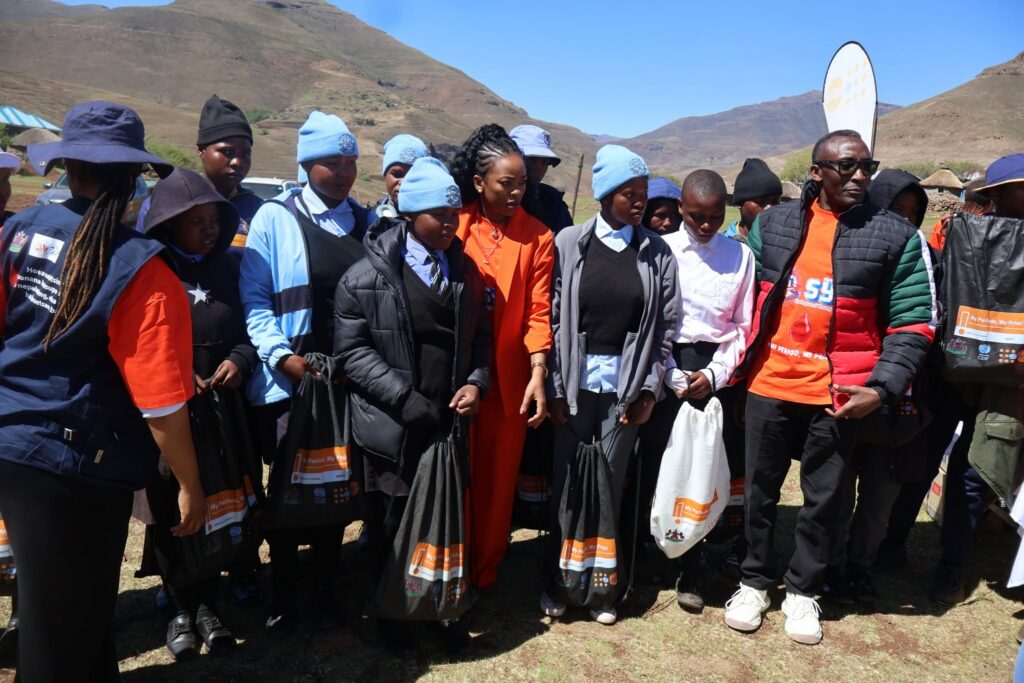
MOKHOTLONG – A flagship project aimed at promoting menstrual hygiene, launched in November 2025 as a pilot initiative by the Ministry of Social Development and the United Nations Population Fund (UNFPA), was celebrated last Thursday at Ha Malapane in Mokhotlong.
The initiative seeks to replace resilience with support and stigma with science.
The challenges surrounding menstrual hygiene in Lesotho are rooted in a complex interplay of poverty, inadequate infrastructure, and deeply ingrained cultural taboos. For many girls, the transition to womanhood is fraught with anxiety and deprivation.
Mosa Mpelo, 22, spoke with courage and satisfaction about her experiences.
She mentioned that she has always been able to afford the sanitary towels she needed, thanks to her parents, and she also shares them with schoolmates at ‘Malefiloane High School who face difficulties obtaining them.
“At my school, many learners miss classes because they do not have sanitary towels, which often leads to discrimination from other students. Some girls would even stay home for weeks, which should not happen,” she said.
Mpelo emphasized that sanitary towels are essential for every girl who has begun menstruating, as they help during their periods.
“Some girls are too embarrassed to borrow sanitary towels from their peers, leading to accidents that soil their uniforms or cause them to miss school. These sanitary towels help us attend classes comfortably and fully,” she added.
Puseletso Mahlelebe, a social worker from the Ministry of Social Development in Mokhotlong, noted that their outreach program has successfully distributed sanitary towels to all schools, except for two primary schools where students have not yet reached their teenage years.
“We face challenges in reaching other villages, especially when trying to distribute sanitary towels to out-of-school girls. Sometimes, we cannot even reach them due to flooded rivers, so we are asking for UNFPA’s assistance in finding ways to access those hard-to-reach areas,” she explained. UNFPA Country Representative John Kennedy Mosoti referred to this as a flagship project for the UNFPA, emphasizing its importance in keeping girls in school. He highlighted that the initiative was implemented in response to the understanding that menstruation affects girls, particularly those in rural areas, who often drop out of school as a result.
Mosoti stressed that this project is a collaborative effort with the government, noting its launch in Ha Senkoase in Mokhotlong district last year.
“Menstruation is a natural process and is essential for life itself. Therefore, we must stop shaming girls when accidents occur, which unfortunately sometimes happens among boys in schools and social settings,” he urged.
He also called on parents, especially fathers, to support girls and discuss menstruation openly.
“For the next seven months, you won’t need to worry about purchasing sanitary towels, – they will be provided. However, it’s crucial to have conversations about menstruation,” he remarked.
‘Mapuleng Secheche, Acting Director of Gender at the Ministry of Social Development, echoed these sentiments, emphasizing the ministry’s commitment to ensuring that menstruating girls can attend school without interruption. She stated, “Before this project began, many girls were unable to participate in classes due to the lack of sanitary towels, which sometimes led to them not attending school at all. Now, things have changed. The impact has been positive and significant; they can now learn without disruptions and gain confidence, along with knowledge about menstrual health and hygiene.” Secheche described sanitary towels as “passports to the future and success for girls,” highlighting the ministry’s aim to ensure that even the smallest provision of sanitary pads can make a significant difference.
She encouraged men to support girls during their periods and to feel no shame in helping them procure sanitary products.
“Boys should not discriminate against their sisters or classmates, nor should they be ashamed to help buy sanitary towels for them. It is a collective responsibility to ensure safe periods and to break the stigma. I would like to thank UNFPA for changing the lives of young women,” she concluded.
During the event, UNFPA also unveiled their first Menstrual Health and Hygiene Champion, Mojabeng Senekal-Ndebele. In this role, she will use her voice and platform to promote awareness and dialogue around menstrual health and hygiene in Lesotho.
“We are working to demystify the taboos surrounding menstruation, which is why we need to engage parents, chiefs, and councilors in this conversation. Menstrual health is about more than just sanitary towels,” she stated.