From PEPFAR to horticulture: How US investments are reshaping Lesotho’s future
LINEO MALATALIANA
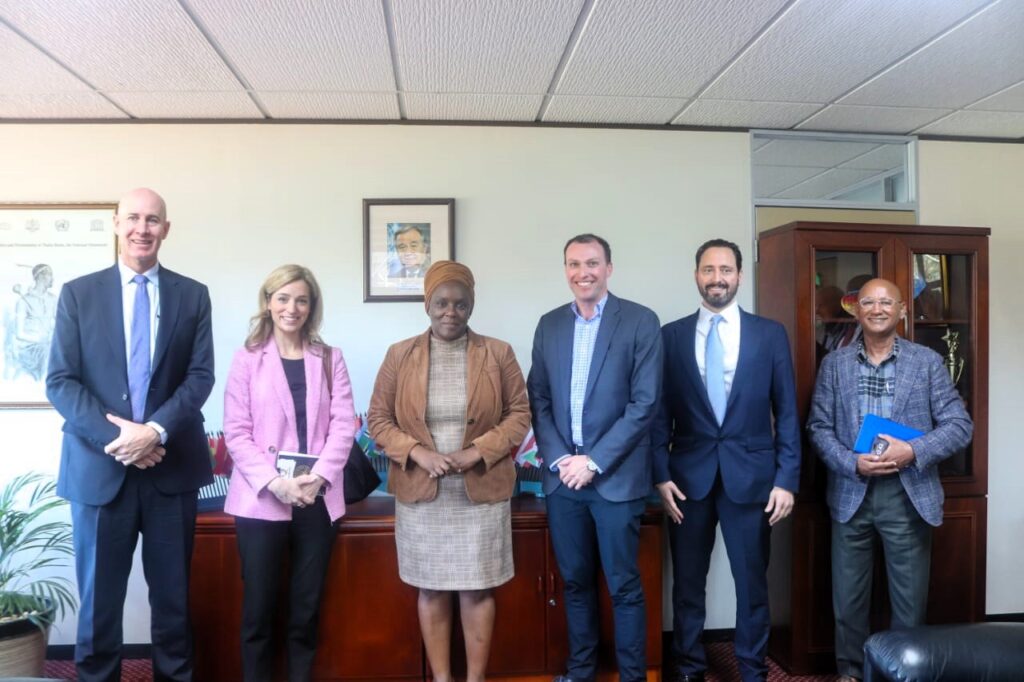
MASERU – A recent visit by a US Congressional Staff Delegation (STAFFDEL), led by Katherine Bowles of the Appropriations Committee, underscored the impact of initiatives like PEPFAR and the Millennium Challenge Corporation (MCC) while also revealing vulnerabilities caused by recent funding cuts.
For decades, American (US) foreign assistance has played a pivotal role in transforming Lesotho’s health sector and economic landscape.
PEPFAR (the US President’s Emergency Plan for Aids Relief) has been instrumental in combating HIV/Aids through prevention, care, and treatment programmes. With a bilateral agreement worth $959 million, Lesotho became the first African nation in 2016 to adopt the “Test and Treat” strategy, enabling immediate treatment for HIV-positive patients.
This approach has brought the country closer to achieving the UNAIDS 95-95-95 targets.
However, recent executive orders slashing USAID funding across Africa – reportedly up to M1.4 billion – have had dire consequences. Lesotho lost 60 percent of its HIV-trained counsellors, jeopardizing testing efforts and potentially increasing infection rates.
With the government allocating only M278 million of its M2.2 billion health budget to HIV programmes, largely for ARV procurement, the cuts threaten to reverse years of progress.
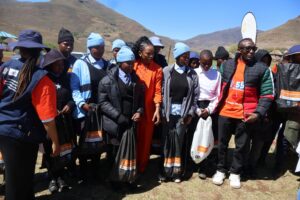
While the country the STAFFDEL also toured the Manka Irrigation Site, part of MCC’s $300 million Lesotho Health and Horticulture Compact. The project aims to improve healthcare access, boost high-value crop production, and empower women and youth through skills training and land tenure protections.
During meetings with Prime Minister Ntsokoane Matekane and UN representatives, discussions highlighted how US aid aligns with Lesotho’s priorities: child protection, healthcare, economic reform, and food security. A visit to UNICEF’s Child Helpline Centre further emphasized the critical role of US-backed social services.
Bowles’ visit reaffirmed the US’ commitment to Lesotho’s development, showcasing how investments in health and agriculture foster regional stability and global security. Yet, the looming funding cuts reveal a fragile dependency.
As Lesotho grapples with frontline worker layoffs and strained health systems, the path forward demands renewed collaboration to sustain hard-won gains.
As things stand, PEPFAR’s success in HIV care is now at risk due to budget cuts, MCC projects continue to drive economic opportunities but require long-term support, a sign that strategic US investments yield global benefits, but consistency is crucial.
Lesotho has long relied on foreign aid to bolster its health systems and economic development. The US has been one of its most significant partners, particularly through initiatives like the PEPFAR and the MCC.
However, the US administration’s aid cuts to African nations – including Lesotho – have threatened to undo years of progress.
Lesotho has one of the highest HIV prevalence rates in the world, with nearly 23 percent of adults living with the virus. Since its launch in 2003, PEPFAR has been instrumental in combating the epidemic, providing $959 million in bilateral support.