A major public health victory
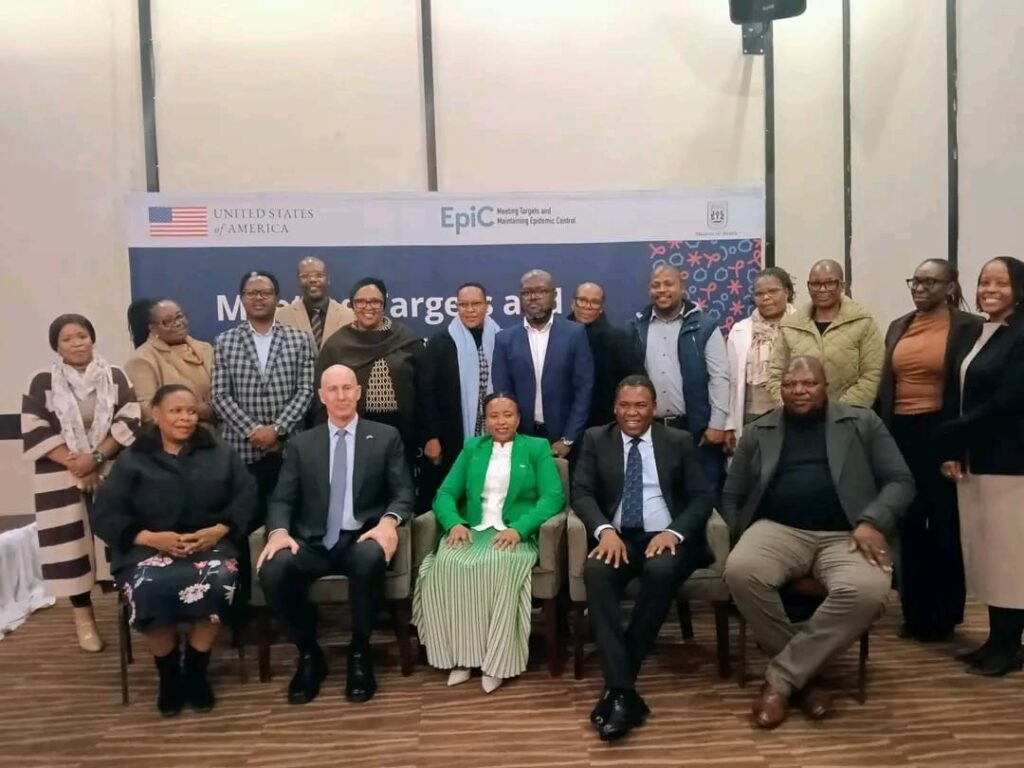
As Back-to-Care campaign reconnects 1 802 Basotho to HIV treatment
BOKANG MOSHOESHOE MAPHIKA
MASERU – In a significant triumph for Lesotho’s public health sector, the Back-to-Care Campaign has successfully reconnected 1 802 Basotho living with HIV to life-saving antiretroviral therapy after they had interrupted their medication regimens, marking a watershed moment in the nation’s relentless battle against the HIV/AIDS epidemic.
The nine-month intensive intervention, which concluded with a dissemination symposium in Maseru this week, represents one of the most comprehensive patient-tracing efforts ever undertaken in the mountain kingdom. The campaign reached 106 health facilities nationwide, demonstrating the scale and ambition of Lesotho’s commitment to achieving epidemic control.
The initiative was implemented under the Meeting Targets and Maintaining Epidemic Control (EpiC) Project, led by FHI 360 in collaboration with the Ministry of Health. Its primary objective was to identify and re-engage patients who had fallen out of the healthcare system – individuals who, for various reasons, had stopped taking their medication and were at grave risk of disease progression, opportunistic infections, and potential death.
According to findings presented at the symposium, the campaign successfully traced and reconnected 1 802 out of 2 052 people who had defaulted on their HIV treatment between October 2025 and January 2026. This remarkable 88 percent success rate underscores the effectiveness of community-based tracing strategies and patient-centred approaches in addressing treatment gaps.
However, the research also uncovered sobering realities: approximately 112 individuals had died after interrupting their HIV treatment. These tragic losses highlight the severe consequences of discontinuing medication and reinforce the critical importance of treatment adherence for those living with HIV.
Speaking at the Back-to-Care Campaign Dissemination Symposium held in Maseru, EpiC Country Director, Dr Tafadzwa Chakare, emphasised that the campaign’s success was rooted in its fundamental philosophy of placing people at the heart of healthcare delivery.
“There is a huge need for open dialogue that encourages responsive healthcare services and effective collaboration, not just within the health sector, but across all sectors. Most importantly, it requires us to keep people at the centre of our response,” Dr Chakare stated, addressing an audience comprising healthcare professionals, government officials, development partners, and community representatives.
The country director further explained that beyond merely returning patients to treatment, the initiative significantly strengthened HIV prevention efforts through comprehensive contact tracing, expanded HIV testing services, linkage of newly diagnosed individuals to care, and provision of Pre-Exposure Prophylaxis (PrEP) to eligible HIV-negative individuals – creating a holistic approach to epidemic control.
Representing the United States Embassy in Lesotho, Thomas Hines, praised the country’s remarkable progress in HIV response, noting that Lesotho has become a beacon of hope and an inspirational model for other nations confronting similar public health challenges.
“Lesotho’s success in reaching its HIV treatment targets has inspired the region and the world. These achievements are the result of years of commitment, innovation and collaboration, and they demonstrate what is possible when people join hands for a common purpose,” Hines declared, underscoring the importance of sustained international partnership in supporting Lesotho’s health sector.
Hines further noted that the Back-to-Care Campaign exemplifies how strategic investments in health systems, combined with community engagement and political will, can yield tangible results in the fight against HIV/Aids.
Minister of Health, ‘Mamokete Ntšekhe, described the campaign as far more than a statistical achievement, emphasising that every patient who returned to treatment represented renewed hope for the nation and a family restored.
“The reinstatement of these patients renews hope and protects the future of Lesotho. I am pleased by the number of people who have been reinstated because today we are not simply celebrating numbers, we are celebrating lives restored,” Ntšekhe stated with evident emotion.
The Minister encouraged all Basotho to remain steadfast in their commitment to treatment adherence and to continue supporting national efforts aimed at ending HIV as a public health threat. She further called on communities to actively participate in health promotion activities and to challenge the stigma that continues to surround HIV.
In a powerful moment during the symposium, a member of the National Aids Commission who shared personal experience as a person living with HIV and who had previously stopped taking treatment urged others not to interrupt their medication, drawing from painful personal experience.
The patient encouraged people living with HIV to take their medication exactly as prescribed by healthcare professionals, explaining that consistent adherence leads to better health outcomes, viral suppression, and improved quality of life. The patient also called on communities to educate themselves thoroughly about HIV to reduce stigma and improve understanding of the disease.
“HIV is not a death sentence if we take our treatment seriously. I learned this lesson the hard way, and I don’t want others to make the same mistake I did,” the patient shared, receiving a standing ovation from the audience.
Stakeholders at the symposium agreed that the campaign’s success highlights the immense value of community-based approaches in improving treatment retention and maintaining progress towards HIV epidemic control. They also called for sustained collaboration among government, development partners, healthcare workers, and communities to ensure that no patient is left behind.
The Back-to-Care Campaign was implemented in Maseru, Mafeteng, Mohale’s Hoek, and Thaba-Tseka districts, with the programme supporting HIV and tuberculosis services across these regions. The National Aids Commission welcomed the campaign’s achievements but stressed that more effort is still needed to strengthen HIV prevention initiatives to reduce new infections.
As Lesotho continues its journey towards ending HIV as a public health threat by 2030, the Back-to-Care Campaign stands as a testament to what can be achieved when government, development partners, healthcare workers, and communities unite in a common cause. The lives restored through this initiative serve as powerful reminders that every individual matters in the collective effort to overcome the HIV epidemic.