From glory to silence
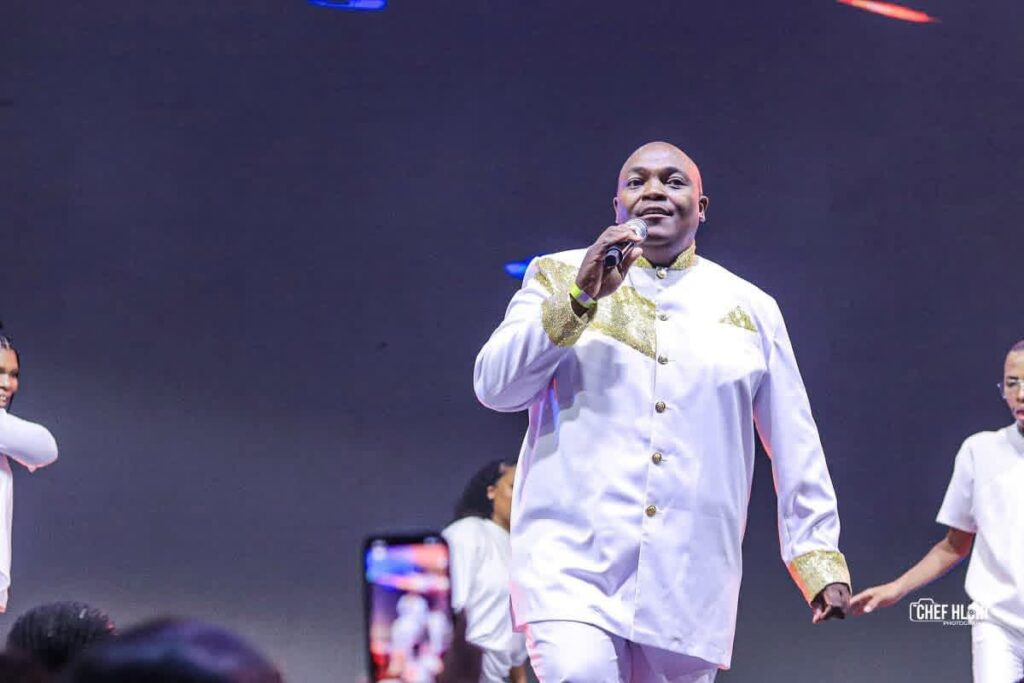
- The untold story of Lesotho’s forgotten Gospel star
- Rorisang Motsamai’s music still dominates airwaves, but someone else is cashing in on his success
RELEBOHILE TSOAMOTSE
In the golden days of 2009, Rorisang Motsamai stood at the pinnacle of Lesotho’s gospel music scene.
His CDs flew off shelves, his calendar overflowed with bookings, and his voice resonated from every speaker across the mountain kingdom. He was the artist everyone wanted, the name that guaranteed a packed hall, the sound that lifted spirits and filled collection plates.
Today, those glory days feel like a distant memory. The bookings have dwindled to a trickle. The CDs have vanished from market stalls. Yet, in a cruel twist of fate, Motsamai’s music has never been more alive.
His songs continue to dominate streaming platforms and radio airwaves across Lesotho and beyond. The numbers tell a story of enduring popularity — thousands of streams, countless radio plays, and a fan base that still treasures his work. But there is a painful irony in this digital resurrection.
The royalties from this continued success are flowing into someone else’s pocket.
“Back then, our focus was on selling CDs and getting booked for performances,” Motsamai reflects, his voice carrying the weight of hindsight.
“We did not pay much attention to issues of licensing and royalties.”
It is a confession that echoes through the corridors of Lesotho’s creative sector, a lament shared by countless artists who poured their souls into their work only to discover that they had unknowingly signed away their future.
The education that came too late
Motsamai’s journey is not unique, but it is a cautionary tale that experts say must be told and retold until every creator in Lesotho understands the value of what they produce.
The gospel singer learned about collective management — the system through which artists are paid for the public use of their work — relatively late in his career. By the time he understood the importance of registering with collecting societies, he had already missed years of potential earnings.
He eventually registered with collecting societies in neighbouring South Africa before signing up with Lesotho’s only collective management organisation, the Lesotho Copyright Society of Authors and Artists (LESCOSAA). But to date, he has yet to receive a single cent in royalties.
“I am still waiting,” he says simply, a statement that carries both hope and resignation.
His story mirrors that of many creators in Lesotho who, according to intellectual property experts, are operating in the dark when it comes to understanding the rights they already possess.
A system that exists but remains unknown
Advocate Maema Chaka, Acting Chief Executive Officer of LESCOSAA, has made it his mission to shine a light into this darkness. Speaking at a recent gathering on intellectual property rights at Victory Hall in Maseru, he laid bare the uncomfortable truth facing Lesotho’s creative community.
“Creators must license commercial use of their work if they want to remain in control and continue benefitting,” Chaka told a room filled with artists from every discipline imaginable — musicians, writers, visual artists, designers, and performers.
His message was clear: understanding the law, knowing one’s rights, and using the available legal frameworks are not optional extras for creators. They are essential survival tools.
The gathering was part of a digital environment mapping exercise, an initiative by the Ministry of Tourism, Sports, Arts and Culture in collaboration with and funded by UNESCO. The exercise aims to generate evidence-based insights into the opportunities, barriers, and institutional gaps shaping Lesotho’s cultural and creative sector in the digital era. Ultimately, it will contribute to the review of the country’s cultural policy.
The perception problem
During the question-and-answer session that followed Chaka’s address, the frustration among creators was palpable. Attendees interrogated content monetisation, copyright protection, and the perceived value of creativity in Lesotho.
“There is a perception that literary and artistic works do not pay in Lesotho, especially among young Basotho creators,” Chaka acknowledged.
“Not only that, even business owners still fail to maximise the value of their intellectual property.”
This perception, experts argue, is both a symptom and a cause of the problems facing Lesotho’s creative sector. When creators believe their work has no monetary value, they treat it as such. They give it away, undersell it, or abandon it entirely.
Chaka pointed to the example of designers who sell their creations outright to big brands instead of licensing them for continued commercial use. “Creators do not fully understand the value chain and miss out on certain monies such as royalties,” he explained.
The legal framework that few understand
Lesotho’s Constitution, in Section 35(2), mandates the government to enact laws that protect creators. Parliament responded with the Copyright Order and the Industrial Property Order, both dating back to 1989. These laws provide a comprehensive framework for protecting and exploiting creative works.
But Chaka says most creators do not know these laws exist, or they understand very little about them.
“You cannot be in an industry and not know at the very least, the laws and regulations governing it,” he said. “We often talk about employees having to be on top of the game in whatever fields they may be in, knowing the trends and being up to date with developments in their respective fields.”
The Copyright Order addresses four critical issues that every creator should understand: copyright protection, ownership, enforcement, and licensing. Under the law, protection is automatic. The moment a work is created and fixed in a tangible form, it is protected. This protection lasts for the creator’s lifetime plus 50 years after death.
In terms of ownership, the law is equally clear: the work belongs in the first instance to the author or authors who created it. In the absence of proof to the contrary, the person under whose name the work is disclosed is presumed to be the author.
This, Chaka emphasises, should serve as a wake-up call for creators to register their work with LESCOSAA.
“Apart from licensing the use of copyrighted works, LESCOSAA’s other function is to register and keep a record of creative works,” he explained. “Creators, not only in Lesotho, often fail to have documented paperwork about their work and only start thinking about it when their works start making money or when disputes arise.”
The misinformation that costs careers
The registration process with LESCOSAA has exposed a troubling level of misunderstanding among creators. Chaka says many musicians who come to register believe they are protecting their creations simply by signing up. They do not understand that registration is just one step in a much larger process.
“This shows the intensity of misinformation and the lack of information and the basic understanding of the law that our creators operate in, which I believe is very necessary,” he said.
Non-members, Chaka explained, frequently visit LESCOSAA offices when they face contractual issues or disputes over ownership. While the organisation can mediate, many of these problems could have been prevented with a basic understanding of the law.
The producer who got it right
While stories like Motsamai’s dominate the narrative, there are also success stories that offer a glimpse of what is possible when creators take control of their intellectual property.
Music producer, Kekeletso Makuebe, is one such example. As he developed his passion for music, he took the time to learn about copyright and how he could protect and commercially exploit his work.
Today, Makuebe sells music beats online and has collaborated with producers in other countries through digital marketplaces such as BeatStars. On this platform, producers sell beats and license their use to artists across the world.
“It took a lot of research and learning about the different platforms available, but understanding intellectual property has helped me maximise the value of my work,” Makuebe said. “I have always known that I have rights over my creations, and I continue to explore new ways of commercialising them.”
His journey began modestly. He started posting his work on the platform in 2022 and made his first sale in 2023. He has never looked back. His message to other creators is simple: be consistent, protect your work, and register it.
The role of collective management
Advocate Makhaola Thienyane, a lawyer specialising in intellectual property, explains why collective management is so important.
“Licensing commercial use of one’s work is done through a collective management organisation because it is almost impossible to enforce rights or license works as an individual,” Thienyane said. “CMOs license the use of these works, and the money collected as licence fees is distributed back to creators as royalties.”
He urges all creators to become part of a CMO so that their royalties can be collected and paid.
But in Lesotho, collective management is still a distant dream for many. LESCOSAA is yet to have its first distribution of royalties, starting with musicians. The organisation has been collecting license fees, but the distribution process has faced delays.
Chaka explained that by registering with LESCOSAA, creators give the organisation a mandate to license commercial use of their work so that they can be remunerated.
A continental challenge
The challenges facing Lesotho are not unique. Across Africa, governments and regional bodies are increasingly recognising intellectual property as an economic asset rather than merely a legal concept.
According to the World Intellectual Property Organization (WIPO), copyright-based industries contribute significantly to employment, exports, innovation, and economic growth. Effective collective management enables creators to earn income from the continued use of their works.
Yet in many African countries, the gap between the law and its implementation remains wide. Creators continue to struggle to benefit from their work while unauthorised users profit from their creations.
The way forward
As Lesotho reviews its cultural policy for the digital age, experts emphasise that laws alone will not transform the creative economy. Awareness, effective institutions, and strong copyright enforcement all have an important role to play.
The digital environment mapping exercise currently underway represents an opportunity to identify gaps in the system and develop targeted interventions. The self-registration form being circulated and the data being collected by enumerators will help shape policy and ensure that the views, experiences, and challenges of creators are taken into account.
But for creators like Rorisang Motsamai, the clock keeps ticking. His music continues to be played, continues to generate value, continues to enrich others while he waits for his share.
His message to fellow creators is one of urgency: learn about your rights, register your work, join a collective management organisation, and insist on being paid for the use of your creations.
For Motsamai, the lesson came late but it is now clear. The applause has faded, but his music lives on. The question is whether he will finally see the financial rewards that are rightfully his.
“I am still waiting,” he said.
The hope is that for the next generation of Basotho creators, the waiting will not be in vain. The hope is that through education, awareness, and stronger institutions, Lesotho’s creative sector will finally deliver the economic benefits that its artists deserve.
Because as Motsamai’s story demonstrates, creating something beautiful is only half the battle. Ensuring that you are fairly compensated for that creation is what separates a hobby from a sustainable career.
The digital age offers unprecedented opportunities for creators to reach global audiences. But without the knowledge and tools to protect and monetise their work, many will continue to watch as their success benefits everyone but themselves.
For Rorisang Motsamai, the music may have stopped booking him as often, but it has never stopped playing. Now, he and Lesotho’s creative community must ensure that when that music plays, the royalties finally find their way home.