UNDP powers Lesotho’s digital leap

Computers, tablets, hubs for the underserved
‘MATHATO SEBOKA
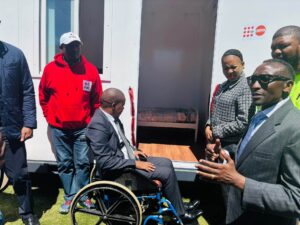
MASERU – The United Nations Development Programme (UNDP) has significantly boosted Lesotho’s digital inclusion drive, donating 55 desktop computers and110 tablets to the Ministries of Education and Communications.
The handover occurred on Tuesday last week at the launch of the Community Digital Inclusion Model (CDIM).
The initiative aims to bridge Lesotho’s digital divide by transforming school computer laboratories into Community Digital Learning Centres (CDLCs). These hubs will provide underserved communities with critical resources, including digital access, skills training, and e-government services.
Significantly, the centres will operate beyond school hours, ensuring sustainable technology access and directly tackling inequality in remote and marginalized areas.
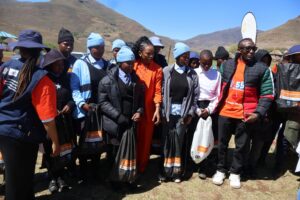
At the launch, 40 newly trained “digital ambassadors” received certificates. These ambassadors are tasked with training at least 1 500 community members within the first week, creating a cascading effect of digital literacy.
“This is not just an event; I call it change and a promise,” declared UNDP Deputy Resident Representative, Taye Amssalu.
“A promise of inclusion, leaving no one behind. While technology races ahead, too many are left behind. CDIM is an answer to these challenges. We are excited to see models used globally being implemented here by Basotho – it shows we are going somewhere.”
Amssalu emphasized the initiative’s transformative potential: “It empowers communities and transforms lives through the power of digital inclusion. We are delivering tools for change.”
Deputy Principal Secretary for Communications, Lineo Ramabele, highlighted the government’s commitment to leveraging technology for citizen convenience. She said “we are building a digital society where Basotho lives are enriched by modern technology. This launch is another step towards ensuring services like old age pensions and social grants can be paid digitally, eliminating the need for long, burdensome travel.”
Ramabele explained the model’s core: “Working with UNDP, MoET, and communities, we leverage the footprint of schools – particularly their computer labs – to serve as communal digital learning hubs. These centres will be vital for developing digital skills relevant to everyday life.”
Principal Secretary for Education, Ratšiu Majara, stressed the importance of community ownership indicating that “We wanted schools to benefit surrounding communities. When school ends, community members should access facilities. This ensures communities take care of schools because they benefit directly. This equipment paves a better future for students, and this collaboration shapes Lesotho digitally.”
Digital Ambassador Representative, Bohlokoa Maieane, expressed gratitude and optimism.
“We thank all institutions involved. This gives us youth hope. Initiatives like this make us believe the Prime Minister’s commitment to allocating jobs for 62 000 youth can become reality, moving youth unemployment towards history.”