Journalists face exploitative salaries, call for unionization, support
MOSA MAOENG
MASERU — In response to the dire working conditions and systemic exploitation faced by journalists in Lesotho, the Basotho Media Development Association (BMDA) has launched a rapid response and advocacy channel to support media workers, particularly young female journalists, who encounter threats and harassment.
The initiative provides a safe, confidential platform for reporting violations, offering legal, psychological, and professional support – though only to BMDA-registered journalists.
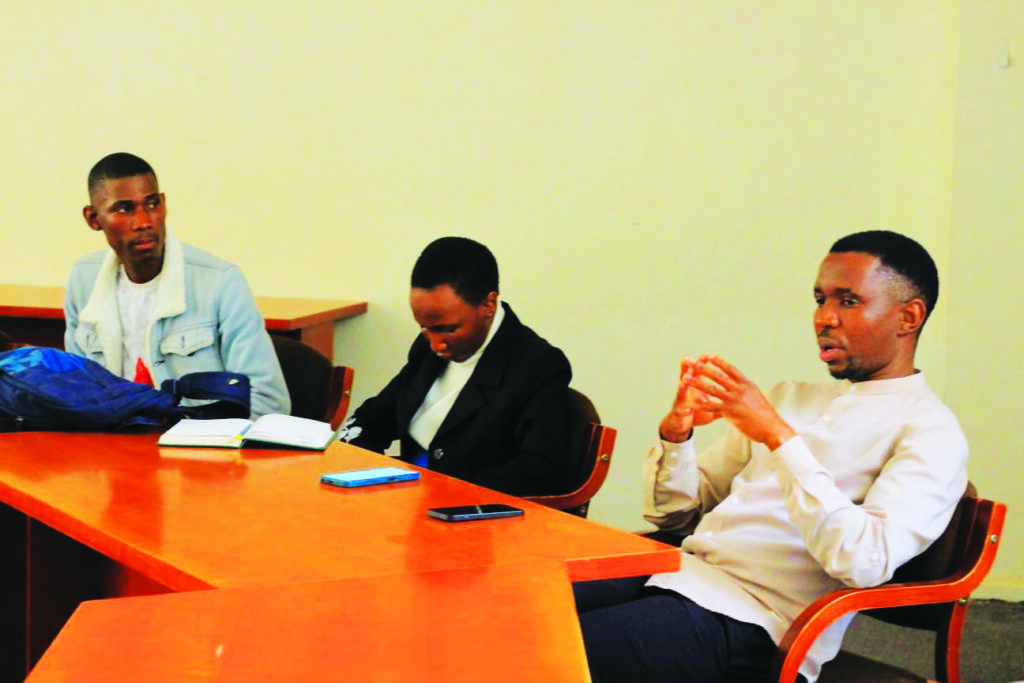
During a roundtable discussion at Wednesday’s launch, media practitioners and civil society representatives highlighted persistent issues such as harassment, intimidation, and a severe lack of institutional support.
MISA Lesotho chairperson, Kananelo Boloetse, acknowledged that while Lesotho’s press freedom record is better than some regional counterparts, the murder of journalist, Ralikonelo Joki, last year damaged its standing. He also pointed to the recent Tenth Amendment to the Constitution Act of 2025, which includes provisions for a media council yet to be operationalized.
A stark reminder of the sector’s struggles came from co-founder and Secretary General Paballo-ea-Bophelo, Pascalinah Kabi, who revealed that after 17 years in journalism, many reporters still earn as little as M2 500 – a salary she started with as a junior reporter. Some, she said, still earn even less or nothing at all – now in 2025.
“If that is not exploitation, I can’t truly imagine what exploitation is,” Kabi stated. She linked stagnant wages in media to broader national economic struggles and criticized the sector’s lack of regulation and silence around internal exploitation.
Kabi voiced a desperate need for a journalists’ trade union dedicated to fighting for better wages and rights.
“We need an organization that wakes up every morning to do for journalists what trade unions do for factory workers,” she urged.
BMDA deputy chairperson, Mamello Mochesane, outlined the association’s mandate to promote press freedom, accountability, and professionalism. BMDA aims to provide training, foster innovation, and encourage collaboration among media, policymakers, and the public.
The standard of journalism in Lesotho is caught in a vicious cycle, profoundly impacted by the shabby and exploitative conditions its practitioners endure.
While the country avoids the extreme violence seen in some nations, the murder of journalist Ralikonelo Joki in 2023 was a stark reminder of the risks faced. More pervasive, however, is the chronic economic precarity.
Veteran journalists report that salaries have remained stagnant for nearly two decades, with many, especially entry-level reporters, earning as little as M2 500 – a wage below the poverty line. Some work for months without any pay, expected to perform with professionalism while facing harassment and intimidation, all without institutional support.
This financial strain directly undermines journalistic standards. Underpaid journalists are vulnerable to corruption, sensationalism, and brown envelope journalism, where tips or gifts from sources can become a necessary supplement to income.
The constant anxiety over basic survival distracts from the rigorous pursuit of truth, investigative work becomes a luxury, and the overall quality of media output suffers. Consequently, public trust in the media erodes, weakening its role as a pillar of democracy.
The most viable solution to break this cycle is the formal unionisation of journalists. A strong, independent trade union would provide the collective bargaining power necessary to confront media houses and lobby policymakers for living wages and standardised contracts. This would directly address the exploitation that organisations like BMDA have highlighted.
Beyond economic bargaining, a union would be instrumental in advocating for improved safety protocols, providing legal aid for harassed journalists, and establishing robust ethical guidelines to protect the profession’s integrity.
It would create a unified front to demand the operationalisation of supportive frameworks like the Media Council and lobby for laws that protect journalists, not just in principle but in practice.
Unionisation is not just about better pay; it is about creating an environment where journalists can work without fear or favour, ultimately elevating the standards of journalism and ensuring the media can truly serve the Basotho people.
As a newly established, youth-led organization, BMDA strives to strengthen the media sector’s role in democracy and development – but first, it must help journalists secure their next meal.