Former Mauritius president takes helm at AMF
MOSA MAOENG
MASERU – In a strategic move set to reshape Africa’s industrial landscape, the African Manufacturers Foundation (AMF) has announced the appointment of Dr Ameenah Gurib-Fakim, former
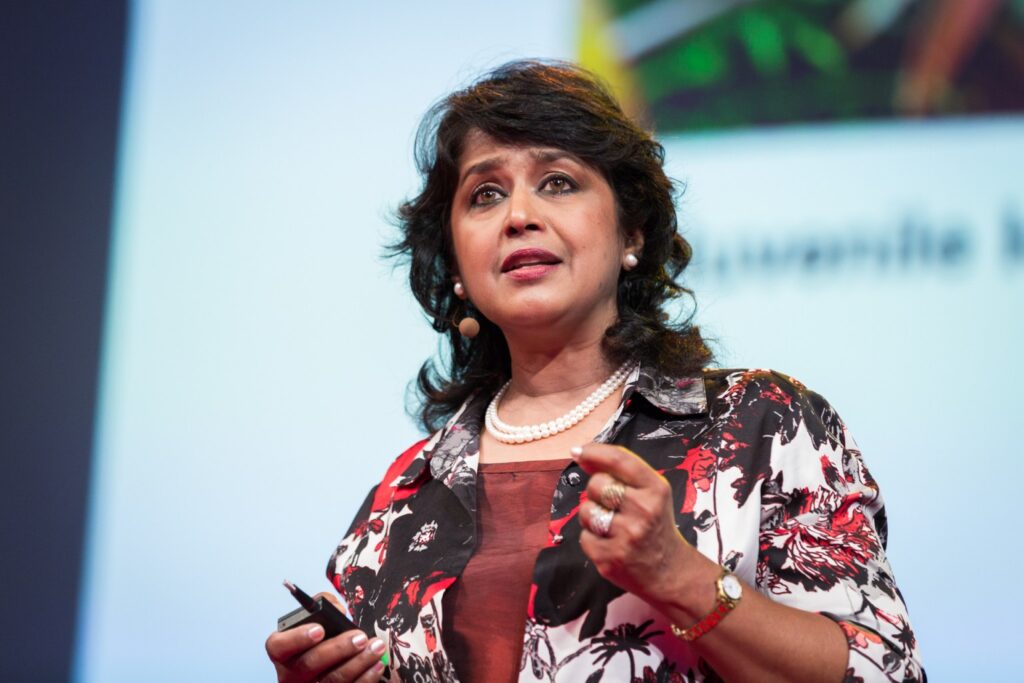
President of the Republic of Mauritius, as its new Chairperson.
The appointment, confirmed in a foundation release issued on April 17, has been widely welcomed by industry leaders and policymakers across the continent. Dr Gurib-Fakim brings to the role a rare combination of presidential leadership, world-class scientific achievement, and an enduring commitment to sustainable development in Africa.
The AMF, a non-profit organization dedicated to accelerating sustainable industrial growth across Africa, operates at the intersection of policy advocacy, skills development, and manufacturing support. Its core mission is to advance industrialisation, deepen intra-African trade, and elevate African manufacturing into a globally competitive force.
The foundation is actively involved in shaping policy reforms to reduce trade barriers, improving logistical coordination under the African Continental Free Trade Area (AfCFTA) framework, and equipping local industries with technical skills and training.
It also provides advisory services for manufacturing startups, supports green manufacturing initiatives, and engages governments and regional economic communities to foster long-term industrial growth.
In recent months, the AMF has urged African leaders to acquire vaccine manufacturing technologies and invest in pandemic preparedness, reflecting its growing role in continental health and industrial strategy.
Dr Gurib-Fakim, a globally respected biodiversity scientist and innovator, served as the sixth President of Mauritius from 2015 to 2018, making history as the first woman to hold that office. Beyond her political career, she has built a distinguished legacy as a researcher and advocate for economic transformation through science.
Her work in biodiversity and sustainable development has earned her international recognition, and she has long argued that Africa’s path to prosperity lies in adding value to its natural resources, strengthening local manufacturing, and embracing innovation.
Her appointment as Chairperson of the AMF is expected to lend considerable strategic direction and credibility to the foundation’s agenda, which includes empowering manufacturers, fostering cross-border partnerships, and promoting the ‘Made and Celebrated in Africa’ standard.
Welcoming the appointment, AMF Chief Executive Officer, Lebo Radebe, said the foundation was deeply privileged to have Dr Gurib-Fakim at the helm.
“Her visionary leadership, global stature, and passion for Africa’s development align perfectly with AMF’s mission,” Radebe noted. “We are confident that under her guidance, the foundation will drive meaningful impact and unlock new opportunities for African manufacturers.”
According to the foundation, her chairpersonship will accelerate key initiatives, including digital manufacturing exhibitions, cross-border manufacturing collaborations, and investment mobilisation platforms that convene industry leaders, policymakers, and financial institutions from Africa and beyond.
The AMF’s focus on building, supporting, and scaling African manufacturing is particularly relevant for countries like Lesotho, where industrial strategy increasingly aligns with the foundation’s objectives. Lesotho, often referred to as a “denim capital” of Africa, is a significant producer for major American brands such as Levi’s and Wrangler.
The country is now targeting an expansion of its manufacturing base beyond basic cut, make, and trim operations, aiming instead for higher-value finished goods in textiles, footwear, and apparel. Through its membership in the Southern African Customs Union (SACU) and the Southern African Development Community (SADC), Lesotho enjoys duty-free access to key markets and is actively seeking to leverage the AfCFTA to expand trade within the continent.
At the same time, the country is positioning itself as a hub for green and sustainable manufacturing, utilising renewable energy in its industrial estates.
Local empowerment initiatives, such as those championed by the Mosepele Foundation Development Forum, are pushing for greater inclusion of local entrepreneurs, youth, and women, including local production of essential goods like sanitary pads.
The Lesotho National Development Corporation (LNDC) remains a key partner in this effort, with a 3036-2031 strategy focused on strengthening competitiveness and fostering inclusive economic growth through industrialisation.
Dr Gurib-Fakim’s appointment reinforces the AMF’s commitment to strong governance, inclusive growth, and the elevation of Africa’s industrial capacity on the global stage. As the foundation looks forward to this new chapter of leadership, stakeholders across the continent will be watching closely to see whether her unique blend of scientific rigour and political experience can help translate industrial ambition into tangible progress.
For now, the message from Maseru is clear – African manufacturing is ready to move from the margins to the mainstream, and a former president is ready to lead the way.