RSL equips journalists to simplify tax reporting
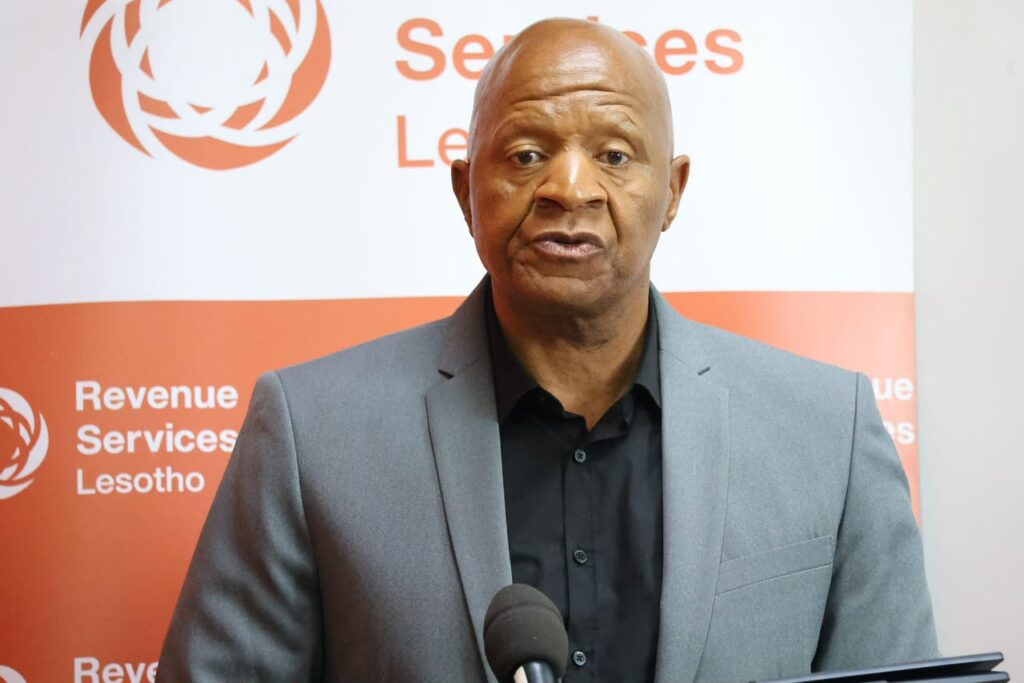
Two-day training focuses on AI, accuracy, and public-friendly tax journalism
BOKANG MOSHOESHOE MAPHIKA
MASERU — In a move to bridge the gap between complex tax policy and public understanding, the Revenue Services Lesotho (RSL) hosted a two-day intensive training workshop aimed at strengthening tax journalism in the country.
The training, held under the theme “Strengthening tax journalism in Lesotho,” brought together journalists from various media houses to enhance their capacity to translate intricate tax matters into clear, accurate, and accessible stories for local consumption.
The initiative underscores the critical role taxation plays in Lesotho’s development and recognises the media as a vital partner in fostering public awareness and voluntary tax compliance.
The workshop provided journalists with a comprehensive overview of RSL’s mandate, functions, and responsibilities, while highlighting the importance of tax revenue to Lesotho’s development, public services, and fiscal stability. Participants gained deeper insight into how tax collection directly contributes to national development and the delivery of essential public services.
Delivering the keynote address, RSL Public Relations Manager, Pheello Mphana, emphasised the significance of the training for both the revenue authority and the media fraternity.
“This training is important to us as RSL as it is to you as journalists because you help us give a clear message to the public,” Mphana stated. “You are the public’s trusted sources, and through you, the public can become familiar with RSL’s mandate and responsibilities.”
Mphana noted that journalists are among the public’s most trusted sources of information, making it imperative for them to possess a clear understanding of RSL’s mandate and responsibilities to communicate tax matters accurately.
He further explained that when taxpayers understand taxation, their obligations, and the benefits of paying taxes, it can contribute to improved compliance and, ultimately, the development of the country. Better understanding of tax concepts would also help ensure that RSL concepts do not feel like a “foreign language” to the public.
A key component of the training was the responsible use of Artificial Intelligence (AI) in news reporting. Veteran journalist and media expert Tsebo Matšasa took participants through various aspects of tax journalism, demonstrating how AI can assist reporters in different stages of their work.
Matšasa explained that AI can assist journalists with generating story ideas, researching topics, organising information, improving language, developing questions, and supporting the writing process. However, he emphasised that the use of AI should not replace journalistic judgement, fact-checking, professional ethics, or the responsibility of the journalist.
“AI can assist you in so many ways when writing, and its usefulness is not limited to tax-related stories. However, it remains a tool, and the journalist’s judgement, verification and responsibility must always come first,” Matšasa said.
He encouraged journalists to learn how to give clear and appropriate instructions to AI systems so they can use the technology effectively while maintaining professional journalism standards.
Echoing Matšasa’s sentiments, Mphana stressed that AI should be regarded as a tool that assists journalists rather than replaces them in tax journalism.
“AI is a tool, not a replacement in tax journalism. It can assist you in your work, but the journalist must remain responsible for the final product and the decisions made in the reporting process,” Mphana said.
The training also focused on making tax journalism more practical and understandable to ordinary members of the public. Mohale Motenalapi, a Marketing and Client Education officer at RSL, encouraged journalists to make tax journalism practical and easy for the public to understand.
Motenalapi took participants through different types of taxes and their benefits to the country, noting the importance of enhancing voluntary tax compliance among Basotho.
The discussions highlighted the need for journalists to move beyond complicated tax terminology and explain taxation in a manner that connects with the everyday experiences of Basotho. This means producing stories that do not only report tax collection figures or policy announcements but also explain why taxes are collected, who is required to pay them, how the tax system works, and how revenue contributes to public services and national development.
Participating journalists expressed appreciation for the training, with many noting that it equipped them with valuable knowledge applicable to their daily work.
‘Mapheko Ramotete, one of the participating journalists, commended RSL for providing journalists with an opportunity to learn more about AI and its responsible use in journalism.
“I commend RSL for giving us this opportunity to learn more about the advantages and good use of AI. I have benefited a lot from the training, and it will help me in my work as a journalist because I now know how to use and command AI properly,” Ramotete said.
The training is expected to improve journalists’ understanding of taxation and RSL’s mandate while strengthening their ability to explain complex tax matters in clear and accessible language. It is also expected to promote more accurate, responsible, and informative tax reporting, enabling the public to better understand their tax obligations and the role of revenue collection in the country’s development.
Another expected outcome is improved use of emerging technologies in newsrooms. Through the AI sessions, journalists are being equipped with knowledge that can help them use AI as a supporting tool while continuing to apply human judgement, fact-checking, ethics, and professional standards.
The training seeks to strengthen the relationship between RSL, the media, and the public by ensuring that tax information is communicated accurately, clearly, and in a way that is relevant to ordinary Basotho.
As Lesotho continues its developmental journey, the collaboration between RSL and the media represents a crucial step toward building a tax-conscious society where every Mosotho understands their role in nation-building through taxation.
The initiative demonstrates RSL’s commitment to transparency and its recognition of the media as an essential ally in fostering a culture of voluntary tax compliance for the benefit of all Basotho.