Media pros tune into podcast revolution
Regional Sound Waves Training equips journalists, creators with skills to tap into booming audio storytelling market
TEBOHO KHATEBE MOLEFI
MASERU – In a boost likely to significantly impact Lesotho’s media landscape, a leading local journalist and a creative were among a select group from Southern Africa to receive intensive training in the rapidly evolving field of podcast production.
The initiative, known as the Sound Waves Podcast Training, was held in Johannesburg in July and brought together 12 podcasters from Lesotho, Malawi, and South Africa. The programme was jointly hosted by the French Institute of South Africa (IFAS), the Goethe-Institut South Africa and the South African Podcasters Guild (SAPG).
The training was conceptualised against South Africa’s podcasting industry’s current unprecedented boom – driven by a young, mobile-first population, growing demand for authentic local storytelling, trustworthy news content and increased interest and investment in content creation.
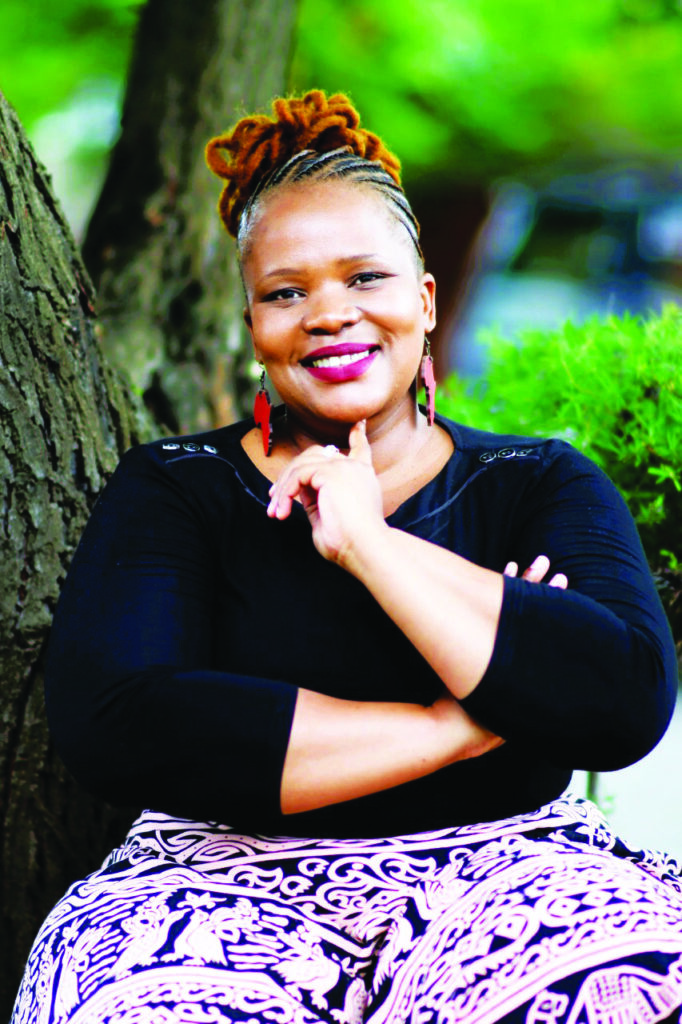
For the participants from Lesotho, the training represented a direct investment in local storytelling capacity. The cohort included Bongiwe Zihlangu, the former editor of the Lesotho Times and Sunday Express newspapers, and Nthabiseng Mohanela, a multidisciplinary artist and creative activist from Maseru.
The five-day programme covered critical aspects of modern audio production, including story development, scripting, audio editing, interview techniques, monetisation strategies, and the use of AI tools. The training is poised to add significant value to Lesotho’s media industry by empowering professionals to diversify their storytelling methods and reach new audiences.
“This training re-ignited a creative spark in me,” said Zihlangu. “I feel recharged and ready to take on the world with consistent, quality content, one creation at a time.”
For artist Mohanela, the training provides the technical skills to merge artistic expression with impactful audio content, offering a new platform for creative activism.
The move into podcasting offers a powerful new avenue for local media, and with research indicating that 71.7 percent of internet users in neighbouring South Africa listen to podcasts, the potential for similar growth in Lesotho is substantial. Podcasting allows for deeper exploration of issues, authentic storytelling in local languages, and the ability to connect with audiences directly, bypassing traditional media gatekeepers.
According to Paulo Dias of the SAPG, “Research shows that 71.7 percent of internet users in South Africa over 16 years listen to podcasts, a cohort that not only consumes but curates their media intentionally…And it is for this reason as a Guild we see it as vital to support the development of this sector.”
“Within the creative sector, we are witnessing an increased desire for more authentic voices to be showcased,” said Emmanuelle Denavit-Feller from IFAS. “Audiences want to hear their stories in the vernacular, and engage with issues from a local perspective – by someone they develop a sense of trust and connection with.”
“We believe this cohort left with increased confidence and with tangible strategies to create podcasts that reflect the richness of Southern African life,” Denavit-Feller added.
“Within the creative sector, across a number of genres including film and podcasting, we are witnessing an increased desire for more authentic voices to be showcased.”
“Audiences want to hear their stories in the vernacular, and engage with issues from a local perspective – by someone they develop a sense of trust and connection with.”
“South Africa’s podcasting market is projected to grow from US$207 million in 2024 to US$1.85 billion by 2030, according to research,” said Nesa Fröhlich from the Goethe- Institut South Africa. “This means that the opportunity for entrepreneurial South Africans to monetize their creative output does exist, offering viable economic benefits.”
“By creating a space for mutual learning, we supported this cohort in strengthening their podcasting skills, enhancing content quality, growing their audiences and exploring monetisation opportunities,” Fröhlich added.
“The training felt like an intense injection of skills, confidence, and expertise,” said South African participant Susan Comrie. “I am walking away with a solid set of skills to turn my half-finished project into something real.”
Another participant from South Africa, Claude Marie Bernard Kayitare, echoing similar sentiments said: “As a representative from the refugee and migrant network, I see immense potential in using podcasting to share the many untold stories from our communities and to continue advocating for the rights and dignity of our people. The skills I gained during the training have opened up a whole new avenue for communication and impact.”
The programme also facilitated valuable regional networking, with participants planning cross-country collaborations. Organisers from IFAS, the Goethe-Institut, and the SAPG have committed to continuing their support for the African podcasting scene, ensuring the skills gained in Johannesburg will have a lasting impact.
The five-day programme delivered intensive learning through workshops and engagements around developing the story and scripting, audio editing and production, interviewing and voice recording techniques, monetisation strategies, ethical content creation and AI tools and the future of podcasting.
Sessions led by German facilitators, including Philip Artelt and Dina Elsayed, offered deep insights into European podcasting trends and technical innovations.
A public panel discussion on The Evolving Industry of Podcasting, was held at IFAS during this time, which facilitated cross-continental dialogue on the podcasting landscapes in South Africa, France and Germany.
The Goethe-Institut South Africa hosted the training in its dynamic creative spaces, where participants and facilitators could connect informally between sessions. These networking opportunities led to new collaborations, with some participants planning joint cross-country podcast projects.
Participants included mostly mid-career- with some emerging podcasters composed of investigative journalists, activists, educators and creatives who worked closely with experienced facilitators, developing their projects, and connecting and networking with peers.
The participation of Lesotho’s media professionals signals a promising step towards a more diverse, innovative, and resilient media ecosystem in the country, ready to tell its own stories to the world.
Going forward, IFAS, Goethe-Institut, and SAPG remain committed to nurturing this space and scaling opportunities for African voices to be heard.