Harnessing the sun
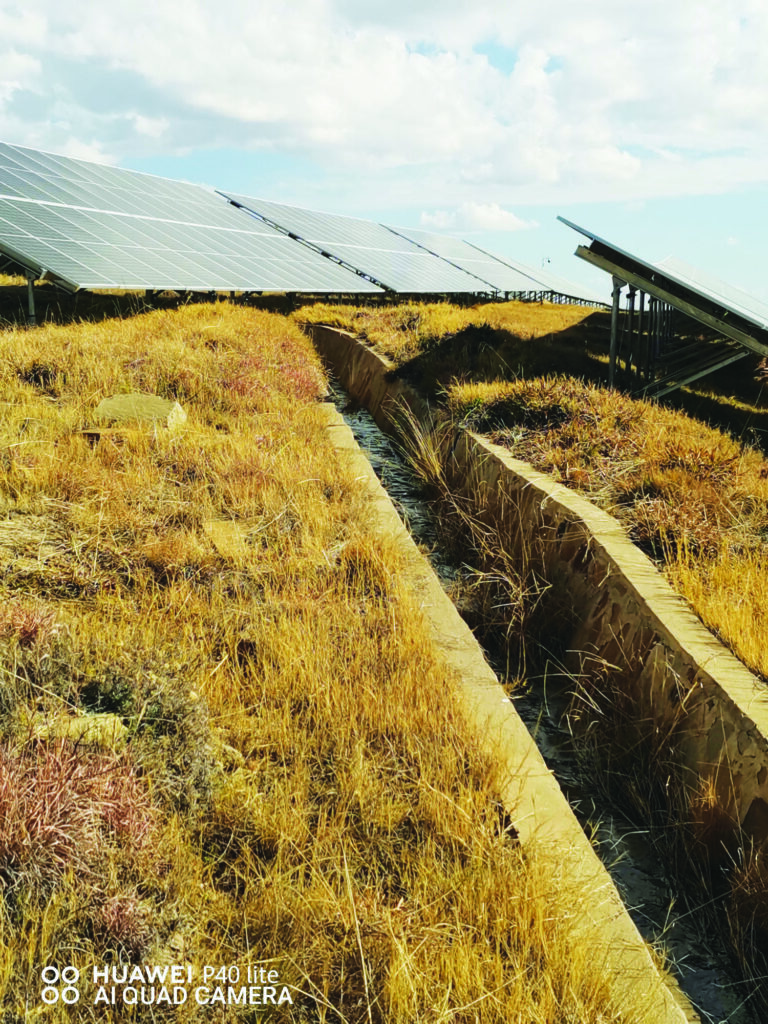
- A solar partnership to power Lesotho’s future
- As Chinese firms build one of southern Africa’s largest solar farms, a rigorous, community-focused plan is the key to transforming energy poverty into lasting human and economic progress
TEBOHO KHATEBE MOLEFI
High in the rugged mountains of rural Lesotho, where the air is thin and the horizons stretch to infinity, a profound silence often reigns, broken only by the wind and the distant bleating of livestock.
This silence, however, belies a persistent hum of hardship. In these remote communities, where over 70 percent of the population resides, life is defined by a profound disconnect – from the national grid, from economic opportunity and from the digital heartbeat of the modern world.
Energy poverty in these areas is not merely an inconvenience, it is the foundational constraint that perpetuates a cycle of deprivation. It is the shackle that limits the potential of individuals and the prosperity of the nation – yet, hovering above these same communities is a potent, untapped solution, the abundant, powerful African sun.
The construction of a major solar farm at Ha Ramarothole in the Mafeteng district, potentially led by Chinese industry giants TBEA and Beijing Jingyuntong Technology, represents a critical juncture not just for energy security, but for national development.
This project is far more than a foreign infrastructure deal – it is a test case for 21st-century development partnership.
Its ultimate success or failure will not be measured in megawatts alone, but in its tangible ability to serve as a multidimensional catalyst for human potential and self-sustaining progress.
To understand the transformative potential of this solar initiative, one must first grasp the true depth of the challenge. Lesotho’s national electrification rate languishes around 40-45 percent, but this figure masks a stark and debilitating urban-rural divide.
While urban areas like Maseru and Maputsoe are relatively well-connected, rural electrification is estimated to be as low as 20 percent. For the vast majority of rural households, energy means burning wood, coal, or paraffin – sources with multifaceted and severe consequences.
The impact on health is devastating. Indoor air pollution from open fires and inefficient stoves is a silent killer, responsible for a high incidence of respiratory illnesses like pneumonia and chronic obstructive pulmonary disease. The World Health Organization has consistently highlighted this as a major health risk, particularly for women and young children, who spend the most time near the hearth.
The environmental cost is equally grave. Reliance on biomass fuel contributes significantly to deforestation and soil erosion, a critical issue in a nation where arable land is scarce, delicate and essential for subsistence farming. The resulting land degradation further entrenches food insecurity, creating a vicious cycle.
The socioeconomic implications are profound too. The burden of fuel collection falls disproportionately on women and girls, consuming hours of their time each day – time that could be spent on education, income generation, or rest. This directly reinforces gender inequality.
Without reliable power, small-scale entrepreneurship is stifled. A village tailor cannot run an electric sewing machine; a carpenter cannot use power tools; a farmer cannot refrigerate produce to reduce post-harvest losses and access more lucrative markets.
Education is handicapped; school children cannot study after dark, and schools lack computers and internet access, creating a vast digital divide that cripples the next generation’s prospects in a globalized economy.
This energy deficit is, therefore, the primary barrier preventing these communities from breaking free from the cycle of poverty. A solution, therefore, must be more than a power line. It must be a master key that unlocks human potential across health, education, economic opportunity and gender equity.
So, in my view the potential entry of major international firms like China’s TBEA (a global leader in power transmission and transformation equipment) and Beijing Jingyuntong Technology (with deep experience in renewable energy EPC) must be viewed through the lens of the evolving Lesotho-China relationship.
This partnership has been a cornerstone of Lesotho’s developmental trajectory over the past decades, historically characterized by mutual respect and a focus on tangible infrastructure and social welfare.
Iconic projects such as the State House, the National Convention Centre, the new Parliament building and the critical Maseru District Hospital are testaments to this partnership. Beyond these flagships, Chinese engagement has also extended to crucial road networks and health networks through it visiting medical teams, all aimed at stimulating economic activity and improving the quality of life for Basotho.
This foundation of hard infrastructure has been instrumental in building the skeletal framework upon which Lesotho’s economy can grow.
However, the venture into renewable energy at Ha Ramarothole represents a profound deepening and modernisation of this bilateral tie. It moves beyond bricks and mortar to address one of Lesotho’s most pressing and paradoxical issues, energy security.
Despite being a net exporter of water through the monumental Lesotho Highlands Water Project, the nation has long struggled with electricity shortages, relying heavily on expensive and sometimes unreliable imports from neighbouring South Africa and Mozambique.
This dependency constrains industrial development, burdens the national treasury, and limits economic sovereignty.
The construction of this solar farm, poised to be one of the largest in the region, is, therefore, a strategic game-changer. It directly tackles Lesotho’s energy deficit by harnessing its most abundant domestic resource, sunlight. It promises to promote energy independence, stabilise the national grid and reduce fiscal outflow.
Furthermore, it aligns perfectly with global sustainable development goals and Lesotho’s own environmental commitments, reducing the national carbon footprint and fostering the beginnings of a green economy. For China, this project exemplifies its broader foreign policy goals under the Belt and Road Initiative, showcasing its capacity and technology in leading the global transition to renewable energy and building a community with a shared future for mankind.
The involvement of technologically advanced and well-capitalised firms is a necessary condition for success, but it is not sufficient. History is littered with examples of well-intentioned foreign projects that failed because they were imposed from the top down without local context, meaningful consultation, or community buy-in.
This is where the crucial imperative of the Environmental and Social Impact Assessment (ESIA) comes into play.
An ESIA is not a bureaucratic hurdle to be cleared, it is the essential blueprint for sustainable and equitable development. For a project of this magnitude, a proper ESIA must be a comprehensive, multi-year process that serves as the project’s moral and practical compass.
It must involve meticulously documenting the existing environmental conditions (soil quality, water resources, biodiversity, air quality) and the social fabric (land tenure systems, livelihoods, cultural heritage, community governance structures) before any work begins. This creates a benchmark against which all impacts can be measured.
This is the most critical component. It means going far beyond token meetings with chiefs and officials. It requires proactive, transparent, and continuous dialogue conducted in local languages with all affected parties – women’s groups, youth associations, herders, farmers and local business owners.
Their concerns must not only be heard but be visibly respected and incorporated into the project’s design and mitigation plans. This builds trust and local ownership.
Proactively identifying all potential negative impacts, particularly the sensitive issue of land acquisition. The project must avoid prime agricultural land and ensure any land use is negotiated fairly with transparent compensation, strictly following the principle of Free, Prior, and Informed Consent.
Other impacts like disruption during construction, waste management and protection of cultural heritage sites must also have clear, funded plans to avoid, minimize, or compensate for them.
This moves beyond mere mitigation to design initiatives that ensure the project delivers maximum community benefit. This includes concrete plans for local hiring, vocational training and long-term benefit sharing.
With a robust ESIA framework in place, a solar project like the Ha Ramarothole Solar Farm transforms from a simple power plant into a powerful engine for integrated rural upliftment. The dividends are multidimensional, the most immediate benefit is the arrival of reliable, affordable electricity.
This current can power a thousand small enterprises.
Imagine a village where refrigeration allows dairy farmers to chill milk, preventing spoilage and enabling them to sell to larger, more profitable markets. Electric milling machines can process maize locally, saving women hours of labour and creating a new agro-processing business. Welders, tailors, and artisans can use electric tools, increasing their productivity, the quality of their goods and their income.
This newfound economic activity could dovetail perfectly with Lesotho’s existing textile industry or growing tourist market.
The benefits for human development are profound. A reliable refrigerated vaccine supply chain becomes possible, revolutionizing preventative care. Health clinics can operate consistently with lighting, sterilizers, and basic medical equipment, drastically improving maternal and child healthcare outcomes.
Replacing paraffin lamps eliminates the constant risk of catastrophic fires and accidental poisoning in homes. In education, electric light extends the study day for children.
Computer labs and internet connectivity become feasible, giving rural students the digital literacy skills that are essential for modern employment. E-learning platforms can supplement the often-limited resources of rural schools, bridging the educational divide.
The project holds particular promise for gender equality. Electric grain grinders and water pumps liberate women from hours of daily drudgery. This precious time can be redirected towards education, childcare, or participating in new economic activities.
Safer, cleaner lighting also improves safety and quality of life within the household, creating a more conducive environment for women and children to thrive.
Then comes environmental sustainability and resilience. A well-sited solar project, guided by a strong ESIA, can be a net positive for Lesotho’s fragile environment.
By providing a clean alternative to wood and charcoal, it can significantly reduce pressure on vulnerable forests and shrublands, directly combating soil erosion – the nation’s most pressing environmental threat.
Furthermore, solar power enhances community resilience to climate change. It provides a reliable energy source during droughts that cripple hydropower generation and can support climate-smart agriculture through powered irrigation systems and processing facilities.
The project must not just use migrant labour. A proper ESIA-mandated plan would require prioritizing the hiring of local people for unskilled and semi-skilled jobs during construction, injecting capital directly into the local economy. Partnering with local technical colleges to train Basotho in solar panel installation, maintenance and electrical work.
This creates a sustainable skills base that remains long after the Chinese engineers have left.
Creating a cadre of local technicians for the operation and maintenance of the solar farm, providing stable, skilled jobs for years to come and ensuring the project’s longevity.
The construction of the Ha Ramarothole Solar Farm is a project of profound symbolic and practical importance. The sun’s energy is neutral, but its impact is not. It will be determined by the rigor of the planning, the depth of the consultation, and the unwavering commitment to viewing the Basotho not as passive beneficiaries but as active partners and architects of their own development.
If executed correctly, with a world-class ESIA as its guiding star, this project can do more than just power lights; it can power dreams and fuel aspirations. It can illuminate the path for a student to study medicine through the night, for a farmer to grow her business with new technology, for a mother to breathe easier in a smoke-free home, and for an entire community to step out of the shadows of energy poverty and into the light of self-sustaining progress.
Done right, the promise of the Ha Ramarothole project is to finally, and equitably, harness that relentless light to illuminate a brighter, more prosperous, healthy and empowered future for all people of Lesotho.
The world is watching, hoping this partnership becomes a shining example of how to do development right.