LCCI warns of economic fallout as diesel supply crisis deepens
MPOLOKENG THABANE
MASERU — Lesotho is on the brink of a severe fuel crisis, with mounting diesel supply constraints threatening to stall key industries, disrupt major infrastructure projects, and undermine investor confidence.
The Lesotho Chamber of Commerce and Industry (LCCI) has issued an urgent call for government intervention, warning that the country’s heavy reliance on external fuel sources has become a critical vulnerability – exacerbated by escalating geopolitical tensions in the Middle East.
In recent weeks, global energy markets have been rattled by the intensifying conflict between US and Israeli forces and Iran, heightening fears of supply disruptions across the petroleum sector. For Lesotho, a landlocked country with no domestic refining capacity, the situation is particularly precarious.
Reduced diesel inflows through Mozambique – one of the nation’s primary supply corridors – have compounded the strain, leaving businesses grappling with uncertainty.
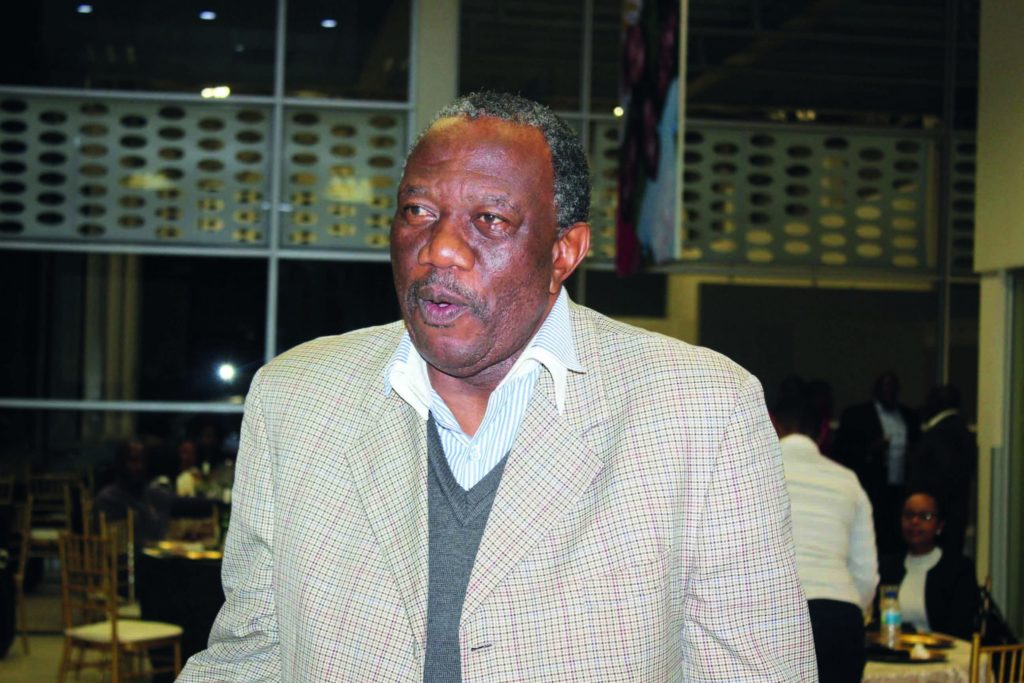
The LCCI, the country’s leading private sector representative body, is sounding the alarm on behalf of industries that depend on diesel as a lifeline. Secretary General Fako D Hakane said the convergence of global and regional pressures has moved the crisis from a distant risk to an immediate reality.
“Supply disruptions are no longer theoretical – they are happening now,” Hakane said.
“Delays in response will carry serious consequences for our economy.”
Diesel powers Lesotho’s productive backbone. The construction, transport, and quarrying sectors rely almost entirely on a steady fuel supply to maintain operations. Major national undertakings, including ongoing dam construction projects, are especially vulnerable.
Hakane cautioned that even short interruptions could escalate into full operational shutdowns.
“It will not only slow projects – it will stall them completely,” he said, warning of cascading effects that would raise operational costs, erode investor confidence, and threaten thousands of jobs. Many businesses already operating on thin margins, he noted, would struggle to absorb further shocks.
The roots of the current crisis lie in both global geopolitics and regional logistics. The conflict in the Middle East has introduced fresh volatility into international oil markets, with fears of supply route disruptions and potential spikes in crude prices.
For landlocked Lesotho, fuel passes through a complex web of international supply chains, making it especially sensitive to instability in key transit hubs. The recent reduction in diesel flows through Mozambique – a vital gateway for imports – has further exposed the fragility of Lesotho’s fuel supply chain.
In response, the LCCI is urging the government to treat fuel security as a matter of national urgency. The Chamber has proposed a series of immediate, practical measures to mitigate the impact. Chief among these is the strategic stockpiling of diesel to create a buffer against external shocks.
The LCCI also recommends the establishment of a clear fuel rationing framework to prioritise essential economic activities, ensuring that limited supplies are directed toward sectors critical to national development and employment.
Without such interventions, the Chamber warns, Lesotho risks entering a damaging cycle of recurring shortages and economic slowdown.
Hakane emphasised that the situation demands more than reactive fixes.
“This is not a moment for reactive measures,” he said. “It demands foresight and firm action.”
He called for strengthened collaboration between government and the private sector, noting that businesses already experiencing supply strain are well-positioned to offer practical insights that could help shape effective and timely responses.
The LCCI, established to advocate for a conducive business environment in Lesotho, plays a key role in articulating private sector concerns and engaging policymakers on economic stability. Its current appeal reflects growing unease among industry players who see fuel security as foundational to broader national development goals.
The Chamber has further cautioned that the implications of fuel insecurity extend far beyond the business community. Delays in addressing the issue could undermine investor confidence, slow progress on critical infrastructure, and hamper long-term growth and employment prospects.
“The stakes go beyond fuel,” Hakane said. “They touch on livelihoods and the future of the economy.”
As supply pressures mount and uncertainty deepens, the private sector is looking to the government for urgent, decisive action. With global tensions showing no signs of easing and regional supply routes under strain, the LCCI insists that waiting is no longer an option.
“Decisive action can no longer be delayed,” Hakane said.
“We must act now to safeguard our economy.”